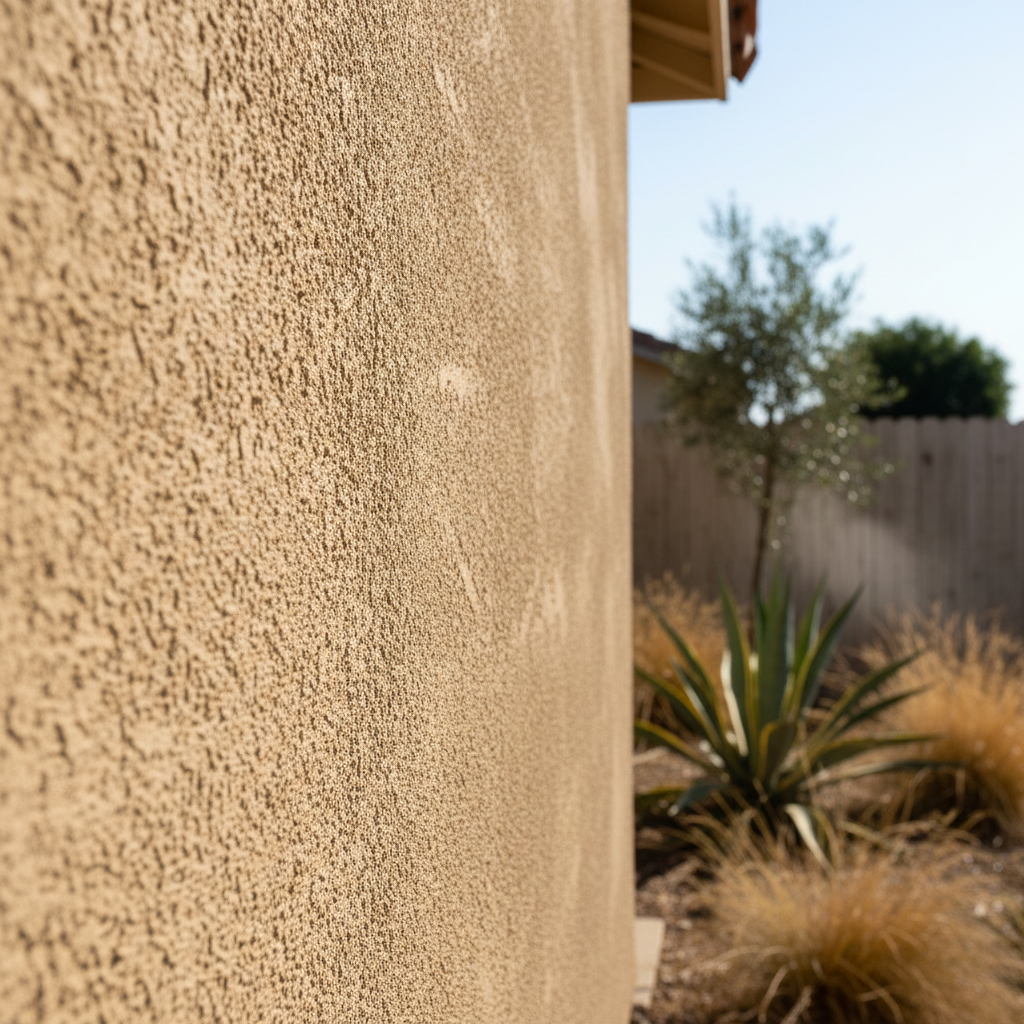
Alright, let's talk about checking your stucco. It's more than just looking for cracks; it's about really listening to what your home's trying to tell you. A good stucco job can easily last decades, but like anything else, it needs a good once-over now and then. Believe me, you don't want small problems turning into huge, expensive headaches later on, especially with the heavy rains we get sometimes here in Southern California.
Before You Start: Get Ready to Look Closely
Even before you think about calling anyone, you can do some solid preparation yourself. You don't need to be an expert for this; just be observant. Grab a notepad, a pen, and your phone for pictures. You'll want to walk around your entire house, really looking at the stucco from top to bottom.
- Know Your Home's History: Do you remember when the stucco was last put on or fixed? Was it part of a new build, or did someone re-stucco the place? Any big renovations that might have touched it? This kind of information can really help a pro later on.
- Clear the Way: Make sure you have a clear, unobstructed view of all your stucco walls. Trim back bushes, move planters, or anything else that's hiding parts of your wall. After all, you can't inspect what you can't see.
- Figure Out Your Stucco Type: Is it the traditional three-coat stucco, or something like EIFS (Exterior Insulation and Finish System)? They look similar, but you check them differently. If you're not sure, a pro can tell you, but sometimes you can tap it – EIFS often sounds hollower.
What you're doing here is gathering information. You're not trying to diagnose anything; you're just writing down anything that looks a little off. This prep work makes any professional inspection much smoother.
During Your DIY Visual Inspection: What to Look For
Time to put on your detective hat. You're searching for visual clues that something might be wrong. Don't just glance; really scrutinize the surface.
- Cracks: Not all cracks are bad, but some definitely are. Hairline cracks are pretty common and usually just sit on the surface. But if you spot cracks wider than a credit card, or if they run horizontally or in a stair-step pattern – especially around windows or doors – that's a big red flag. Those could mean structural movement or water's getting in.
- Discoloration or Stains: Dark streaks, particularly under windows, near the roofline, or around pipes, often signal that water is getting in and running down the wall. Green or black spots? That could be mold or mildew, which points to constant moisture.
- Bulges or Soft Spots: Gently press on the stucco in different areas. If it feels soft, spongy, or you notice any bulging, that's a serious sign of water damage behind the stucco. This is where you absolutely need a pro, no question.
- Separation Around Openings: Check where the stucco meets windows, doors, and other things sticking out, like vents or electrical boxes. If there are gaps, or if the caulk is cracked and failing, water can easily sneak behind the system.
- Weep Screeds and Kick-Out Flashings: At the bottom of your walls, you should find a weep screed – it's a metal or plastic strip that lets moisture escape. Make sure landscaping or paint isn't burying it. Also, look for kick-out flashings where a roofline meets a wall; these push water away. If they're missing or broken, water's getting in.
Take pictures of everything you find, good or bad. It helps you remember and gives a professional a head start.
When to Call a Pro: It's Not Always a DIY Job
You can spot a lot of potential problems yourself, but there's a point where you really need an expert. Your visual inspection is kind of like a doctor's initial check-up; if they find something concerning, they order more tests. That's exactly what a professional stucco inspector does.
- Suspected Water Intrusion: If you've found soft spots, significant discoloration, or wide cracks, you need an expert with specialized tools. We're talking moisture meters that can find moisture behind the stucco without tearing anything open. Sometimes, it even means an invasive inspection, which involves drilling small holes to get accurate readings. You definitely don't want to try that yourself, trust me.
- Buying or Selling a Home: If you're in the market or selling your place here in Norwalk, a professional stucco inspection is a smart move. It can uncover hidden issues that might affect the sale or purchase price.
- After a Storm: After a big storm, especially one with high winds or heavy, long-lasting rain, it's a good idea to have a pro take a look, even if you don't see immediate damage.
- Just for Assurance: Sometimes, you just want to know everything's okay. A professional inspection by someone like Norwalk Stucco & Plastering can give you that assurance. We know what to look for, what's normal wear and tear, and what's a ticking time bomb.
A professional inspection isn't just about finding problems; it's about understanding the root cause and getting a clear, practical plan for repairs. They can tell you if that crack is just cosmetic or if it's a symptom of something bigger. Don't hesitate to call us if you're unsure; catching these things early is always better.
After the Inspection: What Happens Next
Once you've had an inspection, whether it's your own quick visual check or a professional's detailed report, you'll have a much better idea of your stucco's condition. If you did it yourself and found some minor issues like small cracks or failing caulk, you might be able to handle those with a good quality elastomeric sealant. Just make sure you understand the right way to apply it and use products that work with stucco.
If the professional inspection uncovered significant water damage, structural issues, or widespread cracking, you'll get a detailed report with recommendations. This is where you'll need to work with a reputable stucco contractor to get those repairs done right. Don't ignore the findings; delaying repairs almost always makes them more expensive and complicated later on.
Think of stucco inspection as preventative maintenance for your home's exterior. It keeps your biggest investment protected from the elements, and that's always a smart move.