Alright, let's talk about stucco inspections. If you're a homeowner here in Norwalk and you've spotted a crack, or you're just trying to stay ahead of things – good for you. A common question we hear is: how deep do I really need to go with this inspection? Basically, you've got two main options: a quick, surface-level visual check, or a much more detailed, invasive inspection. Both have their place, but they're definitely not the same thing. Let's break down the differences.
The Visual Stucco Inspection: What It Is and When It Works
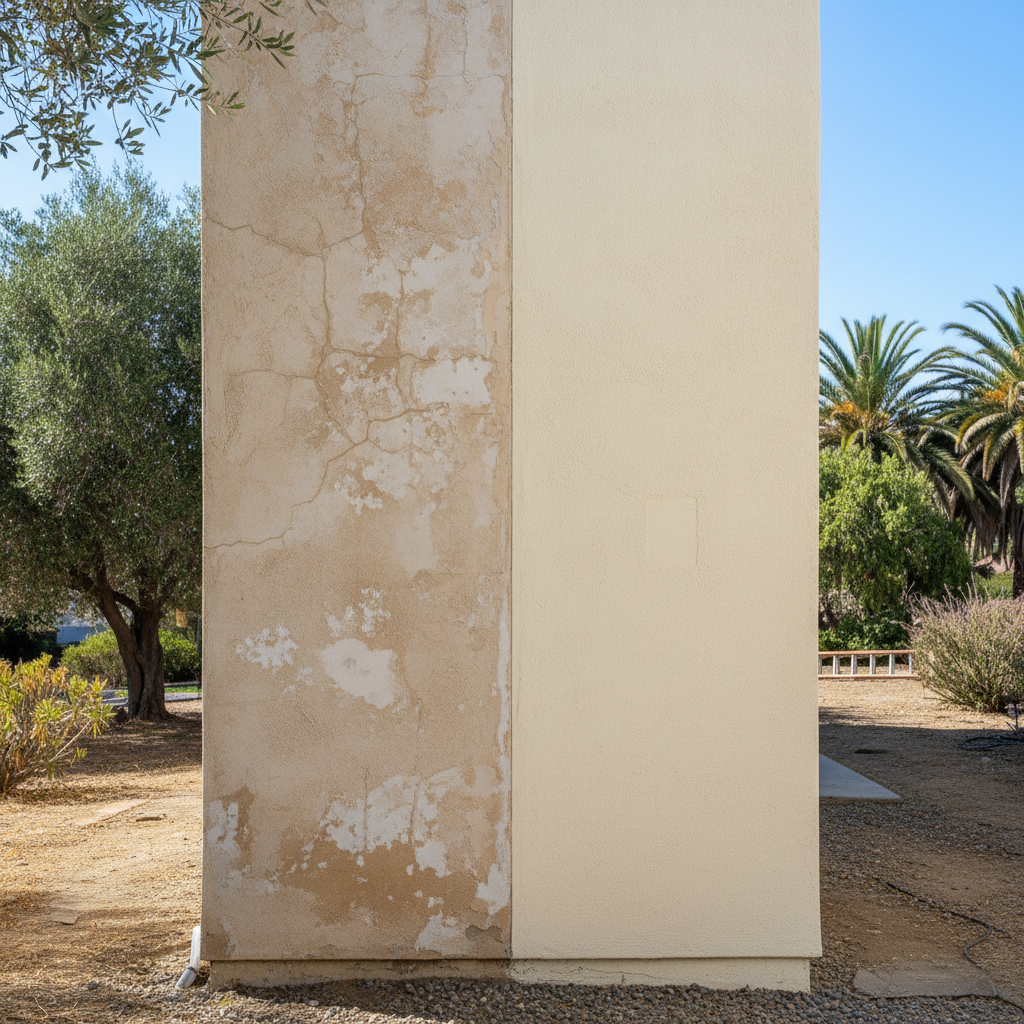
This is probably what most people picture when they hear "stucco inspection." It's pretty much exactly what it sounds like. Someone (maybe even you, if you know what to look for) walks around your house, taking a good look at the stucco. They're hunting for obvious issues: big cracks, bulges, discoloration, stains, missing pieces, or spots where the stucco looks like it's pulling away from the wall. They'll also pay close attention to common trouble areas like around windows, doors, and rooflines – basically anywhere water might try to sneak in.
Cost: Generally, this is the cheaper route. Many stucco contractors, including us at Norwalk Stucco & Plastering, will often include a basic visual assessment when they give you a quote for repairs. Or, if you just want a general health check, it's usually a pretty low fee. You're not paying for a lot of fancy equipment or extensive labor here.
Durability & Maintenance Insights: A visual inspection can tell you a lot about the wear and tear on the surface. You'll get a good idea of where maintenance is needed – maybe some recaulking, patching up small cracks, or a fresh coat of paint. It's excellent for catching problems early, before they turn into massive headaches. Believe me.
Appearance: This type of inspection really focuses on how things look. Is the stucco starting to look a bit tired? Are there cosmetic issues? A visual inspection will highlight all of that for you.
When it works: If your home is fairly new, or if you've been really good about maintenance and just want a routine check-up, a visual inspection is often enough. It's also a good choice if you're seeing small, isolated issues and just want to make sure they aren't part of some bigger, hidden problem.
The Invasive Stucco Inspection: Digging Deeper
Now, this is where we get serious. An invasive inspection means exactly that: we're going to make small, specific holes in your stucco to see what's actually happening underneath. This isn't about guessing; it's about getting real answers. We use moisture meters, borescopes (those little cameras on a flexible tube), and sometimes we even remove small sections of stucco to get a direct look at the sheathing, framing, and flashing.
Cost: Expect to pay more for this one. It's a specialized service that takes more time, specific tools, and a lot of expertise. The inspector needs to know precisely where to make the cuts and, just as important, how to patch them up properly afterward. You're paying for definitive answers and, frankly, some peace of mind, not just a quick glance.
Durability & Maintenance Insights: This is truly the best way to understand the real health of your stucco system. An invasive inspection will uncover hidden water damage, rot, mold, or flashing installations that weren't done right – things a visual inspection would never catch. It tells you if your stucco system is failing from the inside out. The maintenance recommendations you get from this will be much more thorough, addressing structural issues instead of just cosmetic ones.
Appearance: While the main goal isn't about how things look, an invasive inspection can certainly explain why your stucco might be failing visually in certain spots. For example, a bulge could be due to rotted sheathing underneath, not just a surface defect. Don't worry, the small holes made during the inspection are patched up carefully, so your home's appearance won't be permanently affected.
When it works: If you're buying an older home, especially one built in the 80s or 90s when some stucco installation practices weren't quite as good as they are today, an invasive inspection is highly, highly recommended. If you notice significant staining, big cracks, widespread efflorescence (that white powdery stuff), or if you just suspect water is getting in, don't mess around – go invasive. For homes in places like the hills of Norwalk, where we see more varied weather and more chances for moisture intrusion because of sloped lots, this kind of thoroughness can save you a fortune later on.
My Recommendation for Norwalk Homeowners
Look, I'm a contractor, not a salesman. I genuinely want your home to be sound. For most homeowners in Norwalk, if you're seeing anything more than just a hairline crack or a bit of dirt, or if your home is older than, say, 15-20 years, I'd lean toward the invasive inspection. Especially if you're buying or selling a property. A visual inspection is a fine starting point, but it's kind of like checking the oil in your car without ever looking at the engine block. You might just miss the big problem until it's too late to fix easily.
Yes, it costs more upfront. But finding hidden water damage early, before it turns into widespread rot and mold, will absolutely save you tens of thousands of dollars in repairs down the road. Trust me on this one; I've seen it happen too many times. Get the full picture. It's really worth it for the long-term health and safety of your home.