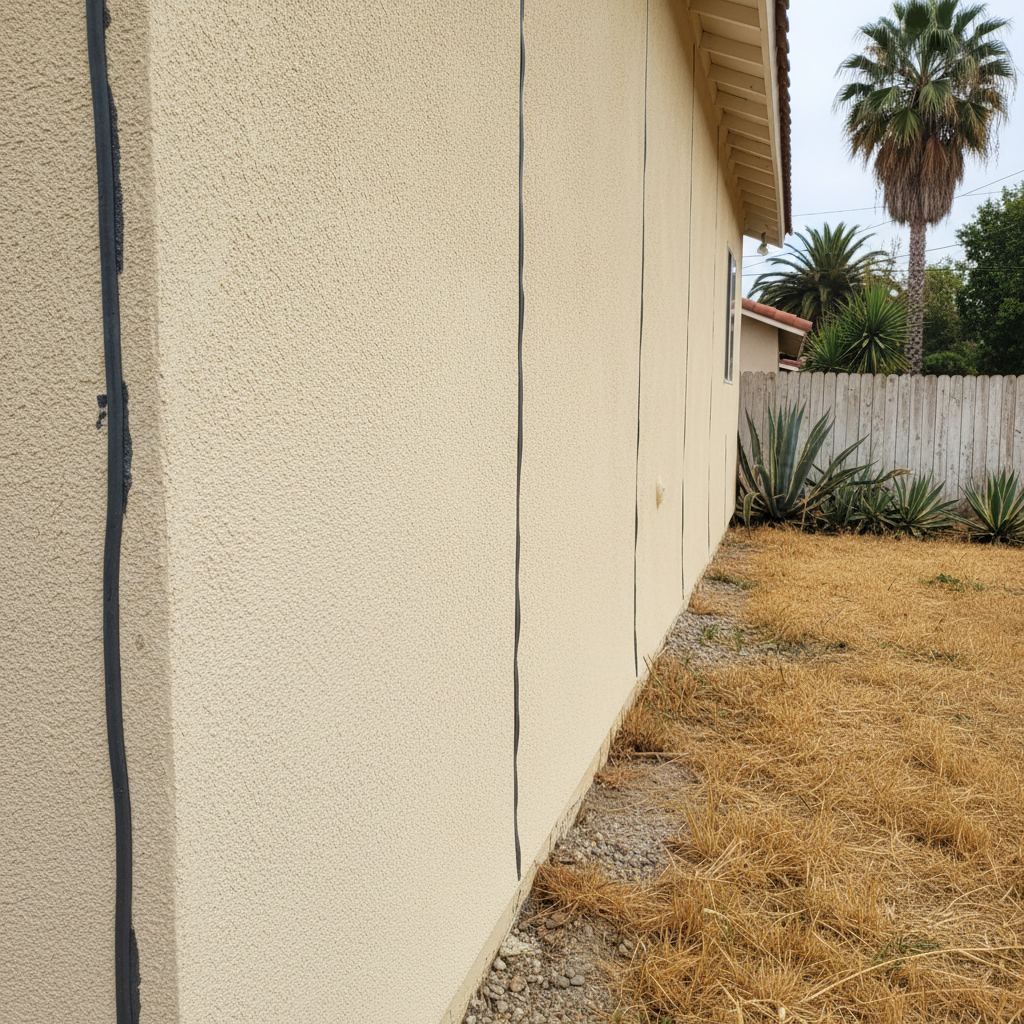
Alright, let's talk about EIFS for a bit. I get a ton of questions about Exterior Insulation and Finish Systems, and honestly, that's totally understandable. There's a lot of old information floating around out there, and some folks still mix it up with traditional stucco. But modern EIFS? That's a whole different ballgame, especially for homes right here in Norwalk. I'm going to tackle the most common questions I hear from homeowners, folks just like you in our community.
What exactly is EIFS, and how's it different from regular stucco?
Okay, so traditional stucco is basically a hard, cement-based material. We apply it in layers over a lath, usually with a vapor barrier tucked in behind it. It's tough, sure, but it doesn't really insulate all that well on its own. EIFS, on the other hand, is a multi-layered system. It actually includes insulation on the outside of your wall sheathing. Then comes a base coat with a reinforcing mesh, and finally, a durable, flexible finish coat goes on top. The big difference? That insulation layer, obviously. It's designed to create a continuous thermal envelope around your home, which traditional stucco just can't do.
Is EIFS still prone to water damage like it used to be?
This is probably the biggest worry I hear, and it's a fair point. Early EIFS systems, especially back in the 80s and early 90s, definitely had some issues. We saw moisture intrusion and water getting trapped behind the system. That was mainly because of bad installation techniques, no drainage, and not detailing around windows and doors properly. But listen, the industry learned from those mistakes. Modern EIFS, which we often call 'drainable EIFS' or 'water-managed EIFS,' now includes a drainage plane right behind the insulation. This lets any incidental moisture that sneaks in drain out safely. When experienced pros like us at Norwalk Stucco & Plastering install it correctly, it's a very robust, water-resistant system. It's all about proper flashing and detailing, which, you know, is where a lot of the old problems came from.
What are the main benefits of choosing EIFS for my home?
You're looking at a few big advantages here. First off, energy efficiency. That exterior insulation is a real game-changer for keeping your home cooler in the summer and warmer in the winter. We certainly get some pretty hot stretches here in Norwalk, and EIFS can seriously cut down your AC bills. Second, flexibility. The finish coat is way more flexible than traditional stucco. This means it's less likely to crack from minor structural shifts or temperature changes. Third, design versatility. You can get EIFS in just about any color, texture, and you can even create architectural details that would be super tough or expensive with other materials. It's also lighter than traditional stucco, which can be a plus for some existing structures, believe it or not.
How long does EIFS installation typically take?
That really depends on your home's size and how complex the job is. And, of course, the weather plays a role too. For an average-sized single-family home in a neighborhood like El Dorado Park, you're probably looking at anywhere from two to four weeks from start to finish. That includes all the prep work, putting up the insulation boards, the base coat, mesh, and then the final finish. We always factor in a little extra time for unexpected rain or if we hit something unforeseen during demolition or prep. It's not a rush job; quality takes time, right?
What kind of maintenance does EIFS require?
It's pretty low-maintenance, honestly. You'll want to do a visual inspection a couple of times a year, just like you would with any exterior. Look for any signs of damage, cracks, or areas where sealant might be failing around windows and doors. If you spot dirt or mildew, you can usually clean it with a soft brush and a mild detergent solution, or a low-pressure wash. Just don't use a high-pressure washer too close, as that can actually damage the finish. Keeping your gutters clean and making sure your landscaping isn't constantly wetting the walls are also good practices, but that goes for any siding material, no matter what it is.
Can EIFS be repaired if it gets damaged?
Absolutely. Just like traditional stucco, EIFS can get dinged or damaged. Whether it's from an impact, a tree branch, or something else, it's usually repairable. The process involves cutting out the damaged section, replacing the insulation, applying new base coat and mesh, and then matching the finish coat. The key is to have an experienced contractor do the repair so the color and texture blend seamlessly with the existing EIFS. A good repair should be virtually invisible, which is always the goal.
Look, choosing an exterior system for your home is a big decision. EIFS offers a lot of advantages, especially for energy efficiency and design. If you're in Norwalk and thinking about it, don't hesitate to give us a call. We're happy to walk you through the specifics for your property and answer any other questions you've got, no problem.