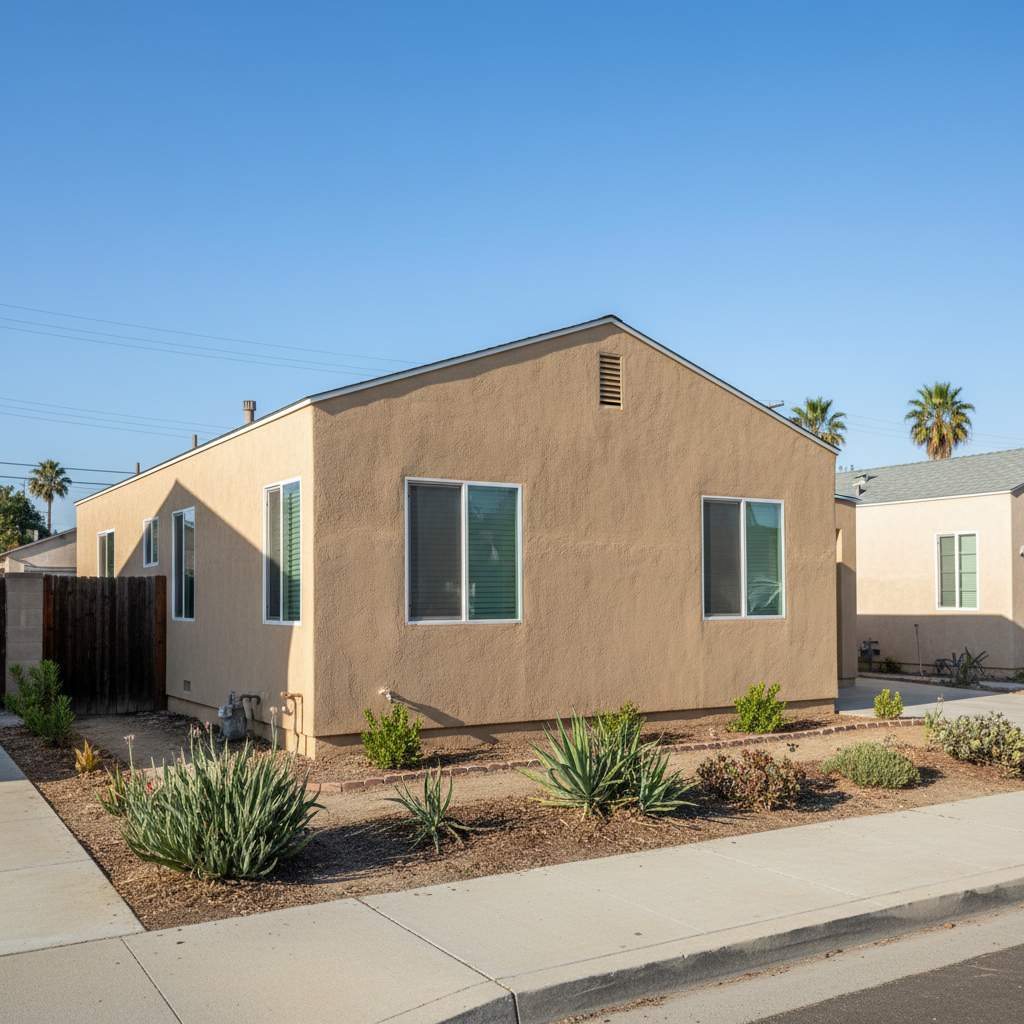
Alright, let's cut to the chase about EIFS, or Exterior Insulation and Finish Systems, right here in Norwalk. You're probably wondering what it's going to set you back, and frankly, "it depends" isn't a very helpful answer when you're trying to budget. I've been doing this for a long time, and I can give you a pretty good idea of what to expect.
What Makes EIFS Pricing Jump Around?
A few things really push the price up or down on an EIFS job. It's not just about the square footage, though that's obviously a big one.
- The Condition of Your Existing Walls: This is huge. If your current siding is a mess, rotted out, or has significant structural issues, we've got to fix that first. We can't just slap EIFS over a problem, you know? Sometimes, especially with older homes around the Civic Center area, there's hidden damage from years of moisture intrusion that needs addressing. That adds labor and material costs for repairs before the EIFS even goes on.
- EIFS System Type: There are different types of EIFS. Barrier EIFS, which relies on the EIFS itself to prevent water from getting in, is generally less expensive upfront. Drainage EIFS, however, includes a drainage plane behind the insulation board; this helps manage any water that gets past the finish coat, and it's usually a bit more. I almost always recommend drainage EIFS for our climate here in Southern California. We get those heavy winter rains, and even though they're not constant, you really want that extra layer of protection.
- Insulation Thickness: The thicker the insulation board (EPS foam), the better the R-value, which means better energy efficiency. Thicker insulation costs more per square foot. It can also add a bit to labor if it requires more specialized fastening or detailing around windows and doors.
- Architectural Details: This is where things can get fancy and expensive. If you want decorative bands, quoins (those corner blocks), arches, cornices, or custom shapes, that's all custom work. It takes skill and time to cut, shape, and apply those details, and that's reflected in the price. A flat, simple wall is always cheaper than a wall with a bunch of architectural flair.
- Accessibility: Can we easily get to all the walls? If we need extensive scaffolding, lifts, or specialized equipment because of height, landscaping, or tight spaces, that's going to add to the labor cost.
- Finish Coat Texture and Color: While not a massive cost driver, some specialized textures or custom color matching can be slightly more expensive than standard options.
So, What's the Real Cost Range for EIFS in Norwalk?
Okay, let's talk numbers. For a typical residential EIFS installation in Norwalk, you're generally looking at a range of about $10 to $20 per square foot. This is for the EIFS system itself, installed. Now, let's break that down a bit more:
- Basic, Flat Wall (Drainage EIFS, standard insulation, minimal details): You're probably in the $10 - $14 per square foot range. This covers a straightforward job on a house with good existing sheathing and easy access.
- Moderate Complexity (Some architectural details, thicker insulation, minor repairs): This pushes you into the $14 - $17 per square foot range. Maybe you want some window trim or a simple band around the house.
- High Complexity (Extensive architectural details, significant repairs, difficult access): Here, you could be looking at $17 - $20+ per square foot. Think custom shapes, multiple levels of scaffolding, or needing to replace a lot of sheathing before we even start.
Remember, these are just for the EIFS application. If you need extensive demolition of old siding, major structural repairs, or specific engineering, those will be separate line items.
What Should Be Included in Your Norwalk Stucco & Plastering Quote?
When I give you a quote, I make sure it's clear. Here's what you should expect to see:
- Materials: This covers everything from the adhesive, insulation boards, base coat, mesh, primer, and the final finish coat. It'll specify the type of EIFS system (e.g., drainage EIFS) and insulation thickness.
- Labor: The cost for my crew to prep the surface, install the system, and apply the finish. This is usually the biggest chunk.
- Scaffolding/Equipment: If we need it, the cost for rental and setup.
- Flashing and Sealants: Crucial for waterproofing around windows, doors, and penetrations. This is non-negotiable for a good, watertight system.
- Permits: I'll handle pulling the necessary permits from the City of Norwalk. Don't skip this; it protects you.
- Cleanup and Debris Removal: We don't leave a mess behind.
- Warranty Information: What's covered and for how long.
What's usually not included, unless specifically discussed, are things like painting other elements of your home (like trim that won't be EIFS), landscaping protection beyond basic tarps, or major electrical/plumbing work that needs to be done before EIFS installation.
How to Avoid Getting Ripped Off or Overpaying
It's your hard-earned money, so you want to make sure you're getting a fair deal. Here's my advice:
- Get Multiple Bids: Don't just go with the first contractor. Get at least three detailed quotes. This helps you compare apples to apples and understand the market rate.
- Check References and Licenses: Always, always check that the contractor is licensed (C-35 for plastering/stucco in California) and insured. Ask for references and actually call them.
- Ask for a Detailed Scope of Work: Make sure the quote clearly outlines everything that's included. If it's vague, that's a red flag. You want to know exactly what you're paying for.
- Understand the EIFS System: Ask what type of EIFS they're proposing and why. A good contractor will explain the benefits of their chosen system for your specific home.
- Don't Chase the Lowest Price: While you want a good deal, the absolute cheapest bid can sometimes mean cut corners, inferior materials, or an inexperienced crew. EIFS is an investment in your home's integrity; you don't want to skimp on quality.
- Clarify Warranty: Understand what the warranty covers for both materials and labor.
Look, EIFS is a great system when installed correctly. It offers fantastic insulation and a durable finish. Just make sure you do your homework, ask the right questions, and work with a reputable contractor like us at Norwalk Stucco & Plastering. We're here to make sure you get a solid job that lasts.