What Really Drives EIFS Installation Costs Here in Norwalk?
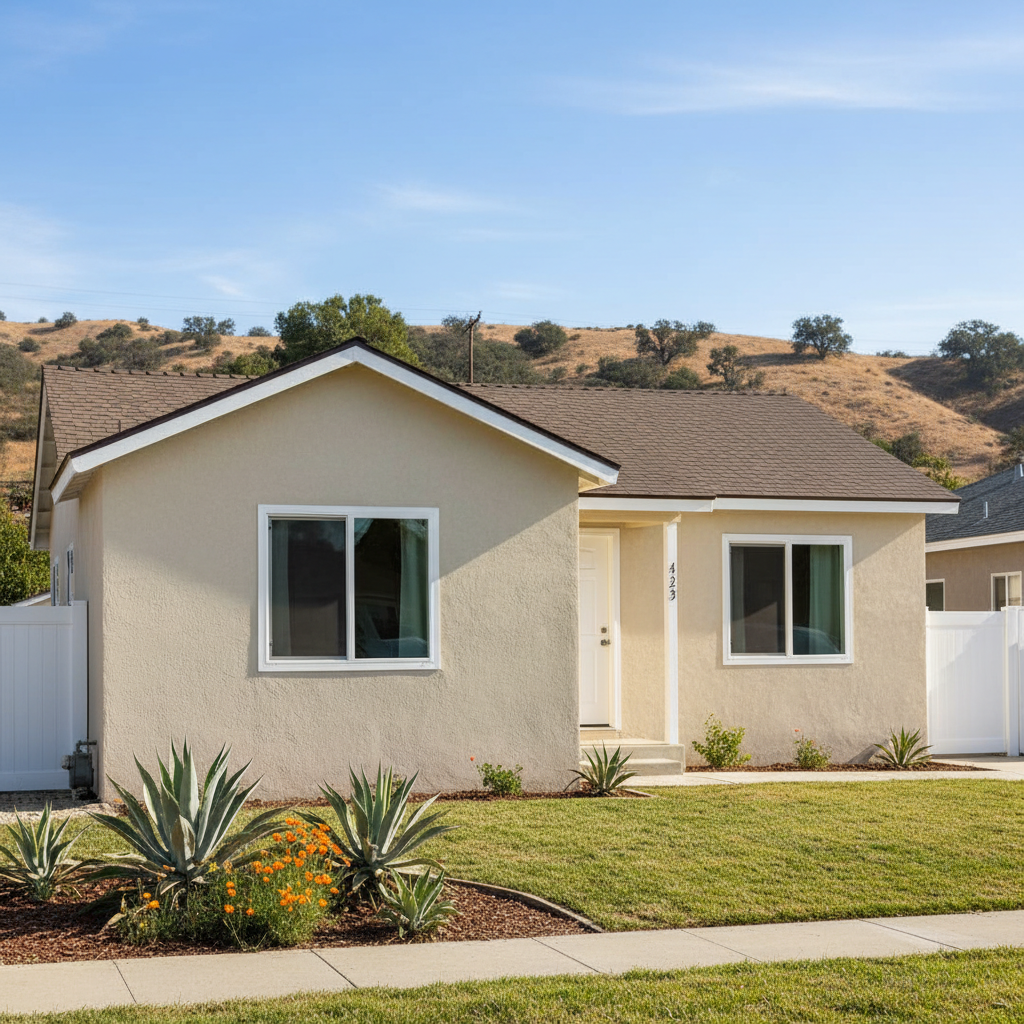
Alright, let's talk real numbers about EIFS installation. You're thinking about putting a high-performance exterior finish on your place, and naturally, you want to know what it's going to cost. I totally get that. It's not a cheap job, true, but it's an investment that really pays off for energy efficiency and curb appeal, especially with our hot summers and those occasional damp winters we get here in Norwalk. When I'm putting together a quote, a few key things always stand out and affect that final price tag.
- The Size and How Complicated Your Home Is: This one's pretty obvious. A bigger house means more materials and more labor. But it's not just square footage; it's also about the architectural details. Lots of corners, arches, intricate trim work, multiple stories, or even a turret like you see on some of the older homes near the Civic Center? Yeah, that's going to bump up the cost. Every single cut, every angle, every piece of flashing takes time and real skill.
- What Kind of EIFS System You Pick: There are different types of EIFS out there. The most common is a barrier system, but we also have drainage systems. These are designed to handle any moisture that might sneak behind the EIFS. Drainage systems usually cost more because they have more parts and need a more careful installation process. But, hey, they offer an extra layer of protection, which is super important in places prone to moisture.
- How Thick You Want the Insulation: EIFS is an insulated system, after all. The thicker the insulation board (that's EPS foam), the better the R-value, and the more energy savings you'll see. But thicker foam costs more and can sometimes need different fasteners or installation techniques. We usually suggest at least 1-inch thick, but 2-inch or even 4-inch options are available if you want maximum thermal performance.
- Your Choice of Finish Coat: The final topcoat comes in a huge variety of textures and colors. Some specialized finishes, like ones meant to look like stone or brick, or finishes with unique aggregate, can be pricier than a standard smooth or sand finish. Oh, and darker colors can sometimes cost a little more too, because of the pigments involved.
- Condition of the Existing Wall: If we're putting EIFS over an existing surface that's damaged, uneven, or needs a lot of prep work (like taking off old siding or fixing the sheathing), that's going to add to the labor and material costs. We absolutely need a clean, solid surface to start with, don't we?
- How Easy It Is to Get Around: Is your home easy to access? Do we need tons of scaffolding, or can we just work off ladders and smaller lifts? Tight spaces, steep inclines, or things blocking our way can make the job take longer and require more specialized equipment, pushing up labor costs.
So, What's the Typical Range You're Looking At?
Okay, I know you want actual numbers, not just a list of factors. For a standard EIFS installation on a typical Norwalk home, you're generally looking at anywhere from $10 to $25 per square foot. Now, that's a pretty wide range, right? Let me break it down a bit more realistically.
- Basic, Straightforward Job: For a simpler, single-story home with minimal architectural details, a standard barrier system, and a common finish, you might be closer to the $10-$15 per square foot mark.
- Mid-Range Complexity: Most homes fall into this category. Think two stories, some architectural features, maybe a drainage system, and a good quality finish. Here, you're probably looking at $15-$20 per square foot.
- High-End or Complex Projects: These are your custom homes, intricate designs, multiple stories, premium finishes, thick insulation, or extensive prep work. These projects can easily hit $20-$25+ per square foot.
Keep in mind, these numbers include materials, labor, and all the necessary components. For a 2,000 square foot home, that could mean an investment anywhere from $20,000 to $50,000 or more. It's a significant investment, yes, but you're getting a top-tier exterior.
What Should Be Included in a Quote from Norwalk Stucco & Plastering?
When you get a quote from us, or any reputable contractor for that matter, it should be detailed. Seriously, don't accept a one-page estimate with just a total. Here's what you should expect to see:
- Detailed Scope of Work: Exactly what areas are being covered, what type of EIFS system, insulation thickness, and the finish coat.
- Material Breakdown: Specific types of insulation board, base coat, mesh, primer, and finish coat.
- Labor Costs: Clearly outlined.
- Prep Work: What's included in surface preparation (e.g., cleaning, minor repairs, removal of existing siding if applicable).
- Flashing and Sealants: These are absolutely crucial for stopping water intrusion. This should be explicitly mentioned.
- Permits and Inspections: Who is responsible for pulling permits and scheduling inspections (it should be the contractor, by the way).
- Cleanup and Debris Removal: What happens to the old materials and job site waste.
- Warranty Information: Both on materials and workmanship.
- Payment Schedule: Clear milestones for payments.
How to Avoid Overpaying for Your EIFS Project
Nobody wants to get ripped off, especially not on a big home improvement project. Here's how you can protect your wallet and make sure you're getting a fair deal:
- Get Multiple Bids: Don't just go with the first contractor you talk to. Get at least three detailed quotes. This helps you compare not just prices, but also the scope of work and materials being offered.
- Compare Apples to Apples: When you get those bids, make sure they're quoting the same type of EIFS system, insulation thickness, and finish. If one quote is significantly lower, it might be because they're cutting corners on materials or scope, you know?
- Check References and Reviews: A good contractor will have happy customers. Ask for references and check online reviews. You want someone with a proven track record right here in the Norwalk area.
- Ask About Experience with EIFS: EIFS installation is a specialized skill. You don't want a general contractor who's just dabbling in it. Ask how long they've been installing EIFS and if they have certified installers.
- Understand the Warranty: A good EIFS system should come with a solid warranty, both from the manufacturer and the installer. Make sure you understand what's covered and for how long.
- Don't Pay in Full Upfront: A reputable contractor will ask for a reasonable down payment, usually 10-30%, to cover initial material costs. The rest should be tied to project milestones, not paid all at once before work even starts.
- Avoid Pressure Tactics: If a contractor is pushing you to sign immediately or offering a